Lleva tu hijo a la universidad con BECA

Taking your child to excellent universities with scholarships is possible even if you don't have a Green Card or savings.


I speak your language
I am an immigrant like you. Your immigration status isn't the end of the road; it's just one factor in our strategy. The 90% members of my families don't have Green Cards, and today their children are on scholarships.

Your peace of mind starts with good advice
We guide you with clarity, honesty, and experience so you can make decisions with confidence.
Scholarship and Financial Aid Diagnosis
Plan aligned with universities and migratory status.
$ 130
Contact us nowGeneral Advisory
Targeted questions and initial guidance on your options.
$ 120
Contact us nowStudy Plan. Class Selection
High School Class Selection for Credits.
$ 100
Contact us nowFAFSA and/or State Aid Assistance
Support in federal and state forms.
$ 150
Contact us nowFAFSA Renewal
Support in federal and state forms.
$95
Contact us nowAplicacion CSS Profile
Acompañamiento para llenar el CSS Profile (ayuda financiera adicional que piden algunas universidades)
$200
Contact us now“If I don't give you a clear and honest path in our first conversation, I'll give you your money back. My goal is for your family to prosper.” — Liliana

Beca2

supporting families
immigrants in education
in the USA.
of our students
go to university with
Institutional scholarships
advised families
to build your future
Educational
Designed content
specifically for the
Latino community in the US.
Dreams come true
Admissions achieved
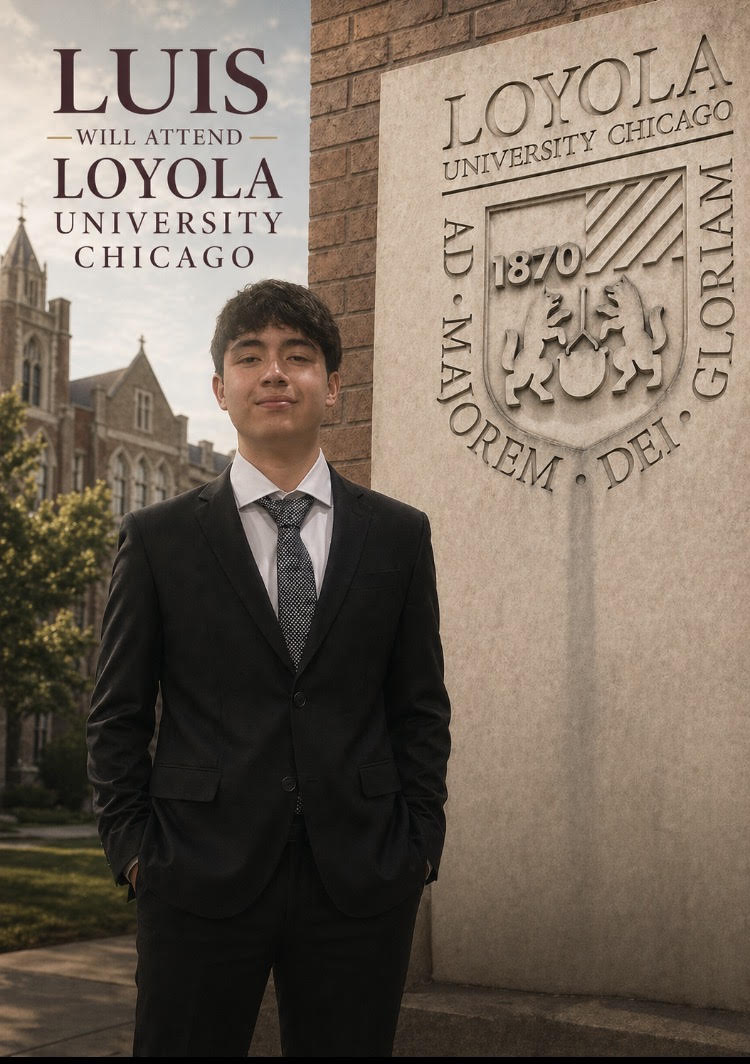
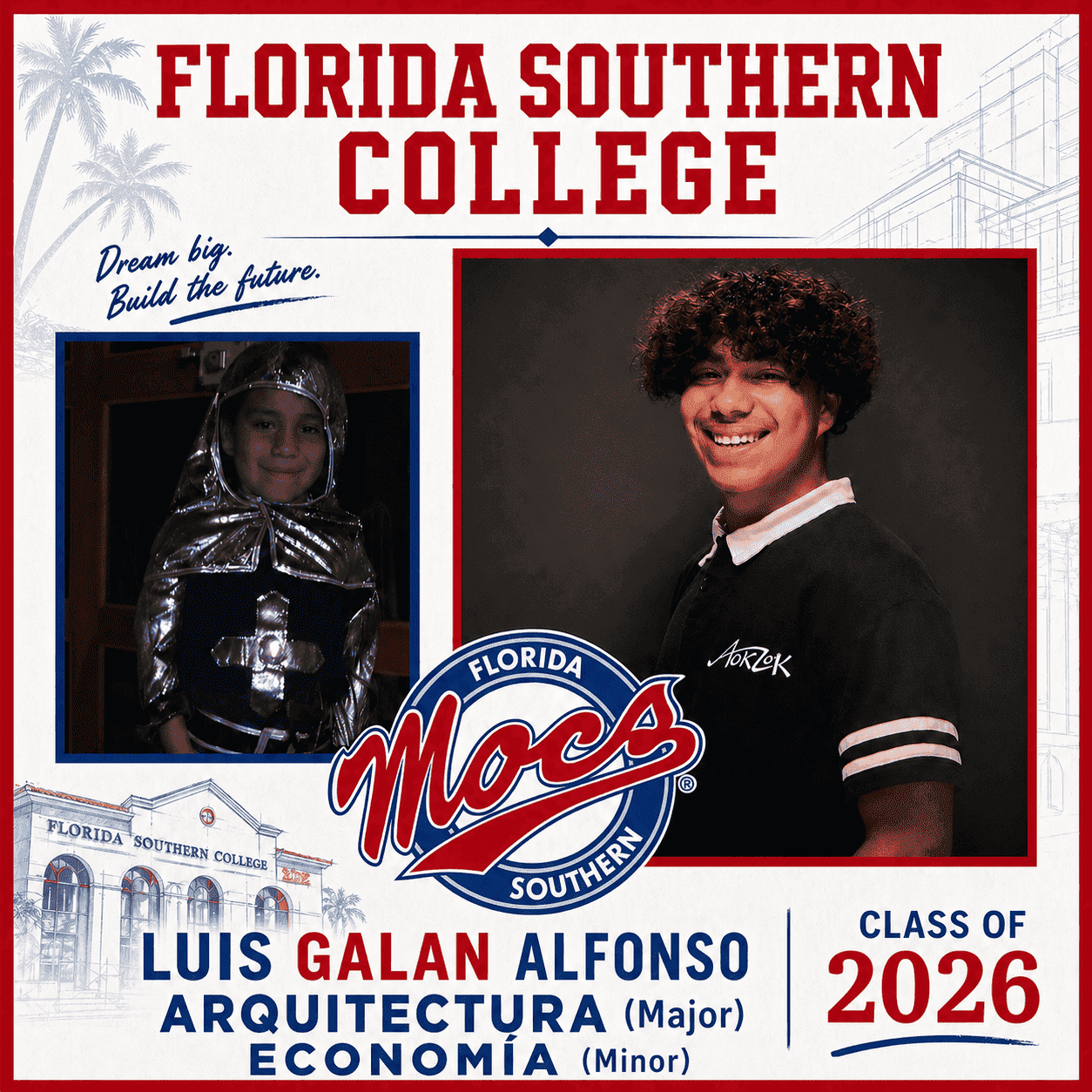
Students who have already been accepted into universities
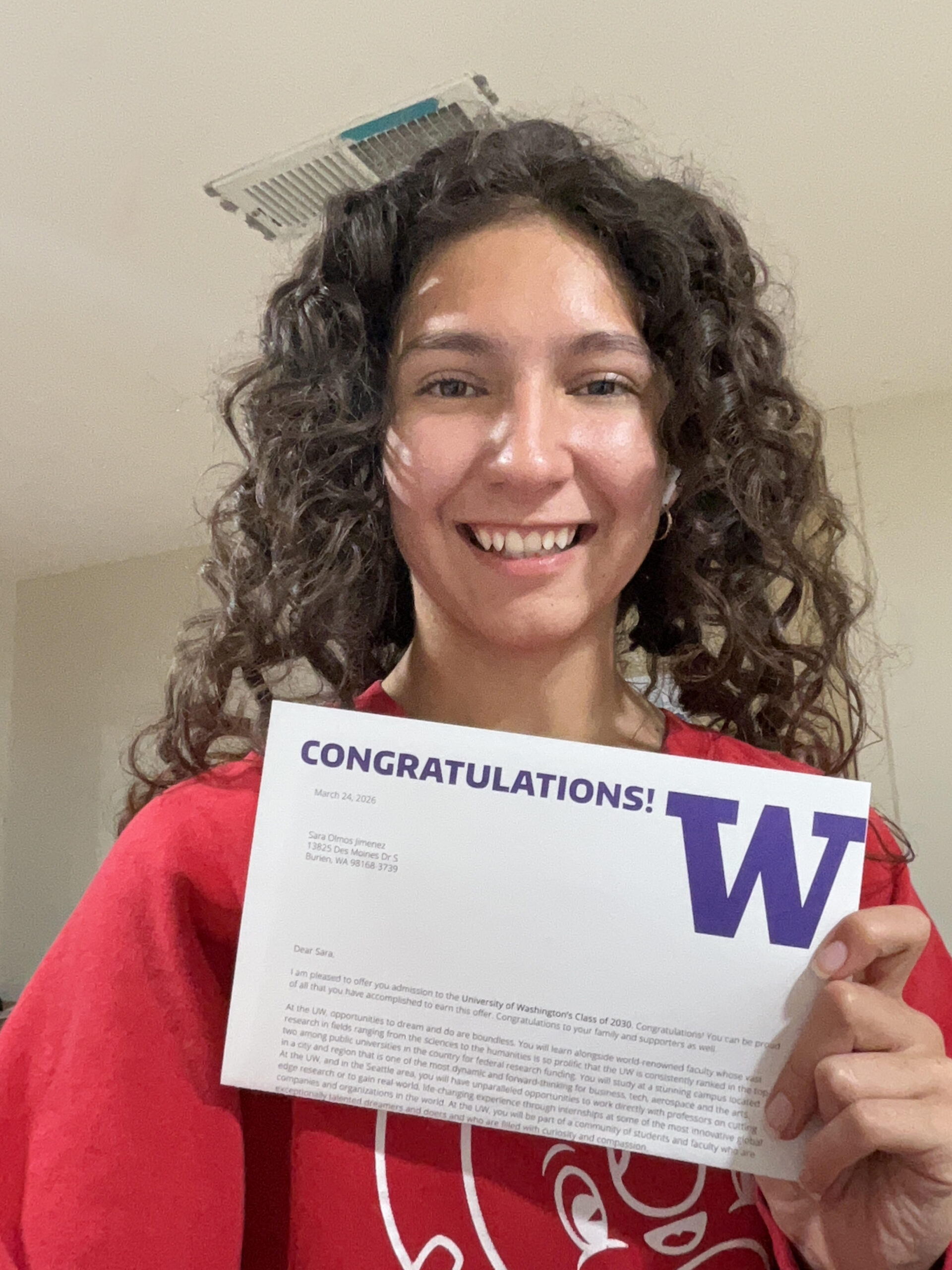






Who do we work with?
Stories that began
like yours







OUR METHODOLOGY
The Route to
University
Build your university future with a clear path, accompanied by expert guidance at every stage of the process.
1
Profile and funding and scholarship plan review
2
Assistance with university applications and essay creation.
3
Acompañamiento en aplicaciones a becas y ayudas financieras.
4
Support in selecting university financial offers.
Learn how to do it
Do you prefer to start on your own? We have tools starting at $27 USD.



Access free YouTube videos!
See my YouTube channelOur Allies


Does my son not have Green
Card, Are there still scholarships available?
The answer is a resounding YES.
Schedule a consultation
Questions your neighbors are also asking
Are there scholarships for undocumented students, those with pending asylum claims, or DACA recipients?
Yes! There are many private scholarships that do not ask for immigration status. There are also state financial aid programs like WASFA in Washington and others in more than 10 states.
We recommend our diagnostic consultation to help you understand your child's real university financing options, based on their immigration status, the state they live in, and their academic record.
You can schedule this consultation here: https://calendly.com/sistemaescolarusa/plan-estrategico-de-aplicaciones-y-becas-universitarias
How can I get scholarships for my child if we don't have much money?
There are scholarships based on financial need. Many universities and private organizations offer aid regardless of your income.
We invite you to watch our YouTube video where we explain this topic in more detail here: https://youtu.be/kPlckZRYVB0?si=YT0MQlyrNnOfTMwS
What average or grades does my child need to earn a scholarship?
It depends on the scholarship, but generally, a GPA of 3.5 or higher helps, and the higher, the better. It also depends on whether the high school qualifies for 4, 5, or more. Even so, extracurricular activities and leadership also carry weight.
When do you start looking for scholarships and how do you apply?
You can start from 9th grade. Apply directly on the official pages of each scholarship. However, 9th, 10th, and 11th-grade students should focus more on their academic and extracurricular resumes to be better candidates for scholarships awarded directly by the university.
We can help you create a strong and consistent academic CV for scholarships with our personalized class selection consultation, which you can schedule here: https://calendly.com/sistemaescolarusa/asesorias-seleccion-clases (This is for students starting grades 9, 10, or 11)
How does High School work in the United States?
This is a complex topic that changes depending on the state and the school. Therefore, We recommend our online workshop on «$27,» which explains EVERYTHING in a clear and simple way. You’ll have lifetime access and can go at your own pace.
Get it here: https://bcns.link/xP6dAr
You will learn:
- What does GPA mean and how is it calculated?
- What is the difference between regular credits and advanced classes?
- What are the SAT/ACT exams and are they still necessary?
- What should a good high school academic resume include?
- How to know if my child is on the right track for college?
What kind of classes should my son take to be more competitive (AP, honors, etc.)?
Advanced classes like AP, honors, IB, AICE, or dual enrollment demonstrate academic rigor.
Do extracurricular activities help with scholarships?
A lot! They demonstrate commitment, leadership, and impact in the community.
Does community service or volunteering matter in scholarship applications?
Yes, especially for scholarships that are looking for students with social impact.
How can my child excel if their school doesn't offer many resources?
Taking advantage of what you do have and looking for external opportunities (clubs, online courses, volunteering).
When should my child start preparing to apply for scholarships?
You can start building a good academic record and extracurricular activities from 9th grade.
We can help your child select rigorous classes and guide them on activities to enrich their resume and make them better candidates for scholarships awarded directly by the university.
Schedule our class selection advising session in preparation for scholarships here: https://calendly.com/sistemaescolarusa/asesorias-seleccion-clases
Difference between Scholarships and Financial Aid
Scholarships are not repaid and are based on academic merit, talents, or leadership. Financial aid can include scholarships, grants, loans, or work-study. For more details, watch our YouTube video where we explain this topic in depth: https://youtu.be/nrq3nwju9bo?si=Das_Hv2e_oUIUMWp
Who Is Eligible for FAFSA?
FAFSA is available for:
- US citizens
- Lawful Permanent Residents (Green Card holders)
- Refugees, asylum seekers, individuals with T visas or VAWA APPROVED, with Humanitarian Parole approved for at least one year.
They are not eligible: students with DACA, undocumented, with TPS, or processes that are just being reviewed such as asylum (only if asylum has been approved can they be)
eligible peopleHaving Social Security is not the only requirement to be able to fill out the FAFSA.
Watch our video where we explain this topic in more detail: https://youtu.be/nrq3nwju9bo?si=Das_Hv2e_oUIUMWp
FAFSA eligibility information directly at studentaid.org